The Detox-Metabolism Connection: Supporting Weight Goals Through Liver and Kidney Health
Introduction: Why Some Weight Refuses to Budge, Even With Diet & Exercise
We often think of metabolism as something fast or slow, like a switch that can be flipped with the right diet or the perfect workout. However, behind the scenes, metabolism relies on much more than just food or fitness.
Despite eating clean, skipping sugar, and showing up at the gym, many of us still struggle with bloating, low energy, and stubborn weight that just won’t budge. The assumption is often that we’re not trying hard enough, but the real issue may lie deeper.
Two of the most overlooked players in this process? The liver and kidneys.
Up to 70% of people with fatty liver also struggle with obesity, yet these organs don’t usually get much credit in weight conversations. They’re not talked about on fitness podcasts or counted in macros. However, they’re working around the clock, shaping how energy is processed, how fat is stored, and how the body decides what to keep and what to let go of.
However, when they slow down (due to stress, processed food, or lack of sleep), everything else does too, including our metabolism.
That’s where Ayurvedic wisdom can quietly step in.
At Ubalance Naturals, we believe in giving the body the support it needs to reset, not overwhelm it with extreme cleanses. Our Liver & Kidney Revitalizer, powered by Punarnava, helps reduce water weight and support kidney function. And Liver Care Advance, a multi-herb liver support blend, promotes hormone detox, bile flow, and fat metabolism.
Because real transformation doesn’t start with a fat-burner, it starts with fixing what’s been slowing down the system from the inside.
Meet the Metabolic Gatekeepers: The Liver and Kidneys

Once the connection between detox organs and metabolism is understood, the next question is, how exactly do the liver and kidneys influence weight?
These organs are more than background operators; they’re involved in a constant exchange of signals, chemicals, and hormones that determine how efficiently the body digests food, regulates fat, and responds to stress. When they’re overworked or underperforming, the signs don’t always show up in lab reports; they show up on the waistline, in the mirror, and in our energy levels.
The Liver’s Role in Weight Regulation
The liver produces bile, a substance essential for breaking down fats into components that can be absorbed. Without adequate bile flow, fat digestion slows, leading to bloating, heaviness, and eventually, fat accumulation, particularly around the abdomen.
But digestion is just one part of the story. The liver is also responsible for clearing out hormones that, if left unchecked, contribute directly to weight challenges:
- Estrogen dominance is tied to increased fat around the hips and thighs.
- Cortisol buildup promotes belly fat and metabolic slowdown, especially under chronic stress.
- Insulin resistance becomes more likely when liver metabolism is sluggish, making it harder to lose fat, even with strict diets.
Over time, these effects can progress into fatty liver (NAFLD), which is increasingly seen in younger adults and often coexists with visceral obesity and Type 2 diabetes.
Kidneys’ Role in Metabolism
The kidneys help maintain mineral and fluid balance, regulate blood pressure, and eliminate excess sodium, toxins, and metabolic by-products. When kidney function is compromised, even slightly, it can lead to:
- Subtle water retention, often mistaken for fat gain
- Inflammation, triggered by excess uric acid
- Vitamin D deficiency, which interferes with insulin sensitivity and fat burning
- General fatigue, stemming from electrolyte imbalance and poor detox clearance
🔎Ayurvedic Lens
In Ayurveda, the liver and kidneys are linked to the balance of agni (digestive fire) and rasa dhatu (circulatory and lymphatic nourishment). When these systems are congested, fat metabolism becomes inefficient, and the body tends to hold on to both toxins and weight.
How Inefficient Detox Organs Disrupt Weight Management

The weight issue isn’t always about excess calories. Sometimes, it’s about internal congestion, when the body holds on to what it should be releasing. A liver that’s sluggish or an overworked kidney may not show up in routine blood work, but the signs are visible in other ways: persistent bloating, hormonal shifts, belly fat, and energy crashes.
These are not random symptoms. They’re signals that detox pathways are struggling, and when these systems slow down, metabolism often follows.
Here are five key ways in which suboptimal liver and kidney function can quietly disrupt our ability to manage weight:
Water Weight & Puffiness
Ever feel like the body feels heavier than usual, but it’s not really “weight” in the typical sense? That soft bloated feeling, the mild swelling around the eyes, ankles, or lower belly, even those deep marks left on the skin after waking up – it’s often water retention, not fat.
This type of retention occurs when the kidneys aren’t effectively regulating sodium and uric acid levels, both of which influence water balance and inflammation. Sodium pulls water into tissues, while uric acid buildup can cause low-grade inflammation and a sense of heaviness.
Even minor disruptions in this process, especially when combined with hormonal shifts, inactivity, or a high-salt diet, can lead to bloating, fatigue, and misleading weight fluctuations that persist despite clean eating and consistent routines.
🌿 Ayurvedic Insight:
Water retention is seen as a sign of Kapha imbalance and poor mutravaha srotas (urinary system) function. Supporting kidney flow through gentle diuretics like Punarnava helps rebalance this fluid stagnation.
Hormonal Imbalance (Estrogen Dominance, Cortisol Build-Up) & Endocrine Disruptions
Often working in the background, hormones act as internal messengers that regulate fat storage, energy production, stress response, and metabolism.
The liver, through its Phase I and Phase II detoxification pathways, helps break down hormones like estrogen, cortisol, insulin, and thyroid hormones into less active, water-soluble forms. These are then eliminated via bile or urine. When this process slows, hormones may remain active in the bloodstream longer than they should, a phenomenon known as enterohepatic recirculation, contributing to imbalances like estrogen dominance.
The liver also produces SHBG (sex hormone-binding globulin), a key protein that regulates how much of certain hormones remain active in the body. Each hormone plays a distinct role in how the body handles food, stress, and metabolism, for example:
- Estrogen, if not properly cleared, tends to accumulate and promote fat storage around the hips and thighs, a pattern often seen in estrogen dominance, especially in women over 40 during perimenopausal shifts.
- Cortisol buildup, often triggered by chronic stress and poor clearance, contributes to belly fat, cravings, and low energy, symptoms that tend to intensify with age as the body’s stress response weakens.
- Over time, these imbalances affect how the body processes sugar. As insulin sensitivity declines, glucose is stored as fat more easily, a common concern in the late 30s and 40s, even for those eating well.
These effects are even more pronounced in individuals with existing endocrine conditions like PCOS, hypothyroidism, or adrenal fatigue, where hormonal overload is already part of the picture.
This delicate hormonal balance relies heavily on how well the liver performs, making its support a foundational step in restoring metabolic health.
🌿 Ayurvedic Insight:
Hormonal imbalances are often linked to disturbances in Pitta (associated with heat and transformation) and Kapha (linked to heaviness and retention). Since the liver is considered a Pitta organ, herbs like Kalmegh, Bhumi Amla, and Kutki are traditionally used to support its detox functions and promote healthy bile flow.
Poor Bile Flow & Fat Accumulation
For a body that stores more than it burns, the issue isn’t always the food; it’s often how the body handles fat once it’s consumed. And that process depends heavily on something we rarely think about: bile.
Bile is a fluid produced by the liver and stored in the gallbladder. Its job? Breaking down fats into smaller molecules and absorbing fat-soluble nutrients like vitamins A, D, E, and K. It acts like a natural emulsifier, helping fats mix with digestive enzymes so they can be properly metabolized and used for energy.
When the liver and kidneys aren’t functioning optimally, it disrupts this entire process. A metabolic imbalance at this level can slow bile production and flow, making fat digestion less efficient. As a result, fats tend to linger in the gut, leading to heaviness after meals, gas, sluggish bowels, bloating, and sugar cravings.
But bile doesn’t just help digest fats; it also flushes out fat-soluble toxins and excess hormones. When bile flow is sluggish, these compounds can recirculate, placing added stress on the system and prompting the body to store fat, especially around the belly.
So, this isn’t only about greasy takeout or overeating. It’s about a system that’s overloaded and unable to process what it’s given, so it holds on, just in case.
🌿 Ayurvedic Insight:
Poor bile flow reflects a blocked pitta pathway and low agni (digestive fire). To restore balance, herbs like Triphala, Kasani (chicory root), and Daruharidra are used to stimulate bile release, improve fat digestion, and help the body eliminate what it no longer needs, both physically and energetically.
Inflammatory Belly Fat & Fatty Liver Loop
Not all fat behaves the same. Visceral fat, the deep belly fat, is more than just stored energy. It’s often the result of hormonal imbalances, poor fat metabolism, toxin accumulation, and chronic stress that shifts the body into storage mode.
This fat is metabolically active, releasing compounds that trigger systemic inflammation and oxidative stress. This disrupts metabolism, increases insulin resistance, and places added pressure on the liver, the very organ responsible for clearing inflammatory waste and regulating fat breakdown.
As this inflammatory load grows, the liver begins to store fat within its tissue, leading to non-alcoholic fatty liver disease (NAFLD). The result is a loop:
Belly fat → inflammation → liver overload → more belly fat.
The effects?
A waistline that expands even when the diet is clean.
Elevated liver enzymes (like ALT and AST) in test results.
Persistent fatigue, cravings, and feeling “stuck” in the middle – literally and metabolically.
🌿 Ayurvedic Insight:
This cycle reflects ama (toxins) accumulating in the meda dhatu (fat tissue) due to weak agni (digestive fire) and blocked srotas (channels). Herbs like Bhumi Amla, Triphala, and Kutki are traditionally used to reduce liver inflammation, support fat metabolism, and break the loop of stagnation, restoring internal clarity and flow.
Metabolic Slump & Cravings
When detox organs slow down, energy production takes a hit. The result? A metabolic slump, low energy, poor focus, unstable appetite, and sluggish fat burning.
The liver helps stabilize blood sugar by storing and releasing glucose and clearing excess insulin. When it’s overworked, this balance breaks down, leading to insulin resistance. The kidneys, too, regulate glucose filtration and activate vitamin D, a key player in insulin sensitivity.
When both organs underperform, cells struggle to access energy efficiently, triggering a chain reaction of sugar cravings, irritability, and fatigue, regardless of healthy eating habits.
🌿 Ayurvedic Insight:
This state reflects low agni (digestive fire) and ojas depletion. Herbs like Kutki, Chitrak, and Daruharidra support liver detox, improve glucose metabolism, and help reduce sugar cravings naturally.
Why Targeted Detox Support Matters for Weight Management

The liver and kidneys already know how to filter, clear, and reset the system. But when these pathways slow down, the body quietly shifts into “preservation” mode, holding on to fluids, fat, and hormonal waste that should have been released.
Instead of drastic cleanses or quick fixes, targeted support helps these organs do their job better, so metabolism can reset naturally, without resistance.
Think of it less like a weight-loss shortcut, and more like clearing the internal fog that’s been slowing everything down.
What happens when detox pathways are supported properly?
- Hormones regulate more smoothly (less estrogen dominance, better cortisol balance)
- Bile flows more efficiently, supporting fat digestion and toxin clearance
- Excess fluids and puffiness are reduced, revealing real progress
- Insulin sensitivity improves, helping manage cravings and energy better
- The body starts to let go of toxins, inflammation, and unnecessary fat
This kind of shift isn’t loud. It’s subtle, steady, and systemic, and it’s exactly the kind of support that makes long-term progress feel sustainable, not forced.
Check out our in-depth guide on liver and kidney detox strategies to explore gentle, natural methods that boost both metabolism and energy.
Who Benefits Most from Detox-Focused Weight Support
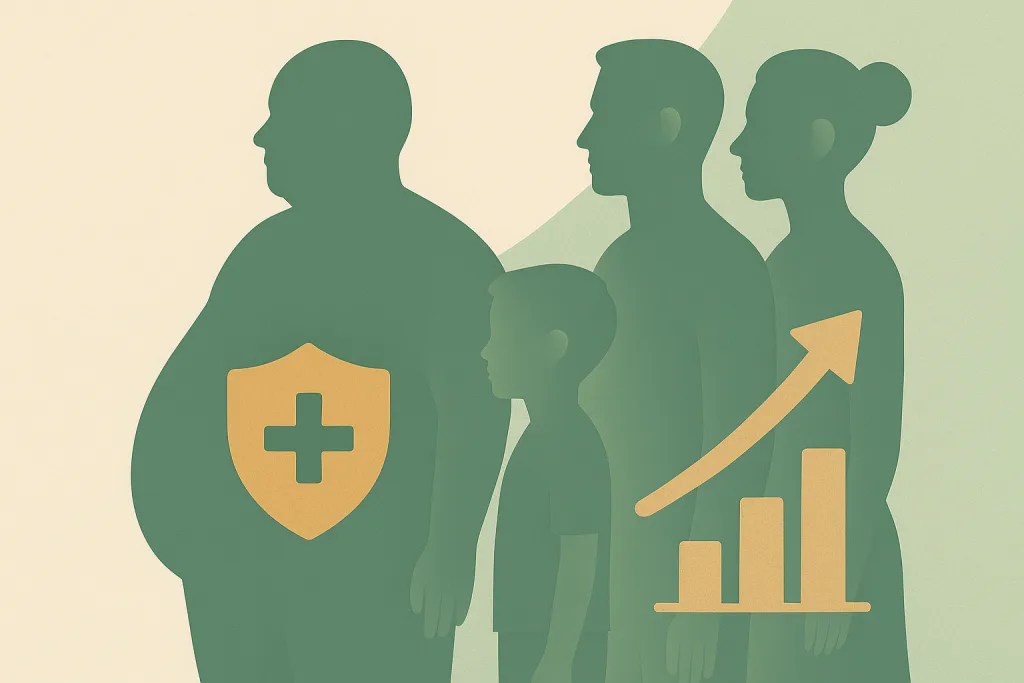
Detox isn’t just a wellness buzzword; for some, it’s a missing link in the weight management puzzle. Targeted detox support can be especially helpful for those whose weight challenges are rooted in internal imbalances rather than lifestyle alone.
Women facing hormonal shifts
Whether it’s PCOS in the 20s and 30s or perimenopause in the 40s and beyond, hormonal imbalances can make fat loss feel like an uphill climb. Supporting detox organs can ease estrogen dominance, reduce water retention, and help rebalance mood and energy.
People with early signs of fatty liver (NAFLD)
Non-Alcoholic Fatty Liver Disease is becoming more common, even among those who aren’t overweight. Mild elevation in liver enzymes, belly fat, and insulin resistance often signal the need for liver support before things escalate.
Anyone dealing with persistent bloating and puffiness
If the body constantly feels weighed down, swollen, or bloated, especially around the face, belly, or ankles, it could be fluid retention linked to underperforming kidneys and detox overload.
Individuals on long-term medications
Many commonly prescribed medications, for blood pressure, cholesterol, mood disorders, and more, can place added strain on the liver and kidneys. Supporting these detox organs helps enhance resilience and may reduce the cumulative side effects of long-term medication use.
Ubalance Naturals’ formulations offer a safe, natural alternative: free from stimulants and synthetics, FSSAI-certified, and designed to work gently alongside existing therapies without the risk of herb–drug interactions.
Detox Teas vs. Ubalance Naturals Detox Support
Not all detoxes are created equal. Before reaching for another trendy detox tea, see how Ubalance Naturals’ real organ-level support makes a difference and truly stands apart.

With the contrast laid out, here’s how our detox system works to restore balance and support sustainable weight.
Ayurvedic/Natural Support: Ubalance Naturals’ Dual Detox Formula
Nature offers its blueprint for restoring balance, and Ayurveda has long recognized the liver and kidneys as core organs in maintaining metabolic harmony. At Ubalance Naturals, our dual-formula approach brings together two complementary supplements designed to gently support detox and restore flow where it matters most.
Liver & Kidney Revitalizer (Powered by Punarnava)
Punarnava is considered one of Ayurveda’s most valued Rasayana herb due to its dual role in promoting renewal and detoxification. Rich in nutrients such as protein, vitamin C, calcium, sodium, and iron, it supports the body at a cellular level, nourishing tissues while facilitating toxin clearance.
The Liver & Kidney Revitalizer harnesses this herb’s diuretic and anti-inflammatory properties to:
- Encourage natural detoxification through the urinary tract.
- Help reduce excess urea, creatinine, and uric acid.
- Restore fluid balance without draining essential electrolytes.
- Support kidney function gently, unlike synthetic diuretics that often deplete minerals.
Punarnava’s liver-specific benefits are equally impactful. It supports enzyme activity that boosts bile secretion and toxin metabolism, helping ease the liver’s load while supporting fat processing and cholesterol regulation.
This makes it especially relevant for those managing bloating, water retention, fatigue, or early signs of detox sluggishness, all of which can quietly impact metabolic health.
Liver Care Advance: Deep Liver Detox & Metabolic Reset
To complement the Revitalizer, Liver Care Advance offers a wider-angled approach, a comprehensive 14-herb formulation designed to strengthen, cleanse, and regenerate liver tissue over time.
This formula includes:
- Bhumi Amla, revered for protecting and regenerating liver cells
- Kalmegh, Kutki, and Chirayata, which enhance bile flow and enzyme function
- Triphala and Saunf, for digestive support and gut-liver synergy
- Kasni, Nagarmotha, and Giloy, to help regulate inflammation, blood sugar, and insulin sensitivity
- Makoya, Bhringaraj, and Amaltas, which aid in immune support and metabolic detox
- Aloe Vera, providing antioxidant and anti-inflammatory liver protection
These herbs work in synergy to improve liver enzyme balance, reduce fatty deposits, and protect against liver stressors like poor diet, medications, or metabolic syndrome. Liver Care Advance is also rich in essential vitamins and minerals, from vitamins A, C, K, E, and B6 to magnesium, potassium, manganese, and iron, supporting overall liver nourishment and function.
Used together, Liver & Kidney Revitalizer and Liver Care Advance form a holistic detox system – supporting everything from fluid balance and hormone clearance to fat metabolism and cellular repair. It’s not about quick fixes, but about long-term organ care that supports weight goals and energy from within.
How to Use Liver & Kidney Revitalizer/Liver Care Advance for Best Results
- Dosage: Take 15–20 ml diluted in 45–60 ml of regular water, ideally twice a day, at least 30 minutes before breakfast and dinner.
- Hydration Boost: Pair with herbal teas or plenty of water throughout the day to support the body’s natural elimination processes.
- Lifestyle Support: Works best when combined with plant-based meals, regular movement, and mindful habits for sustained impact.
- Optional Companion: Follow it with this 7-day sample anti-inflammatory plan for gentle daily liver-kidney cleansing.
- Consistency Matters: For long-term results, consistent use over 90 days is recommended.
Habits That Complement Detox for Sustainable Weight Management
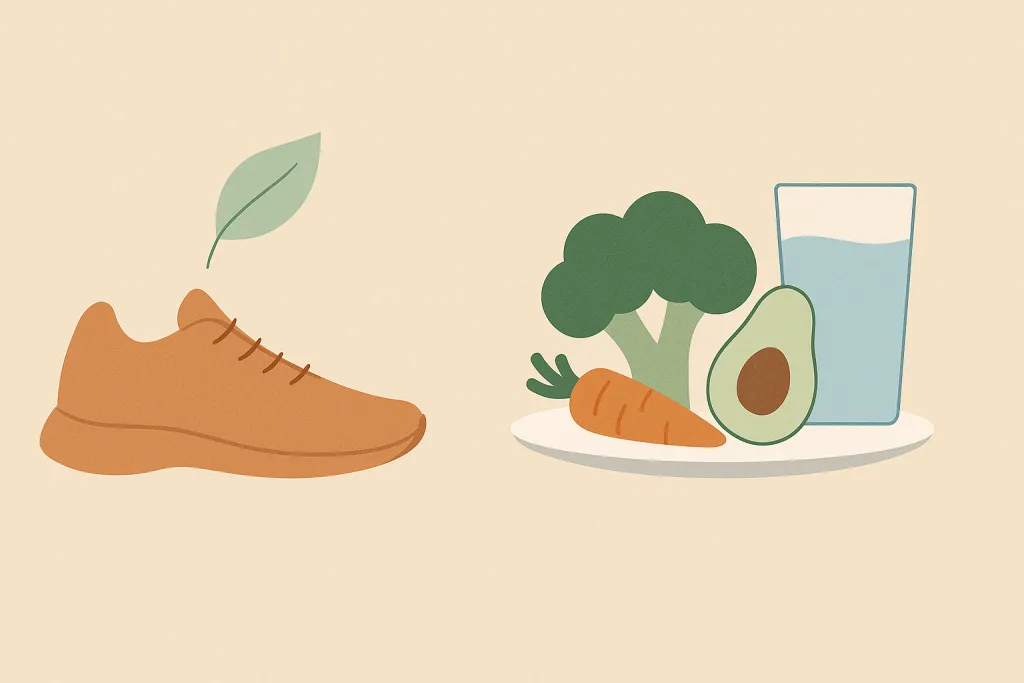
Detox support doesn’t work in isolation; it thrives when paired with daily habits that reduce toxic load and promote metabolic balance. Here’s how to build a lifestyle that reinforces the work of the liver and kidneys:
- Eat more fiber and antioxidants: Crucial for both Phase I and II liver detox pathways, a diet rich in vegetables, fruits, whole grains, and seeds helps bind toxins and flush them out effectively.
- Stay hydrated: Proper fluid intake supports kidney filtration, reduces water retention, and helps eliminate waste through urine.
- Move regularly: Daily activity, even light walking, enhances circulation, supports lymphatic flow, and boosts liver function, aiding toxin clearance.
- Limit inflammatory foods: Cut back on alcohol, excess sugar, and fried or processed items. These increase liver burden and trigger inflammation that stalls metabolic progress.
- Prioritize rest and stress reduction: Sleep and stress directly impact cortisol regulation and glutathione production, both essential for healthy detox function.
Together, these simple shifts create an internal environment where natural detoxification can do its job quietly, consistently, and sustainably.
Conclusion: Don’t Just Burn Calories; Clear What’s Blocking Metabolism
When detox pathways are compromised, even the cleanest diet and most consistent workouts may not deliver results. It’s not always about doing more; it’s about supporting what’s quietly working in the background.
The liver and kidneys are central to this process. By clearing out what the body no longer needs, excess hormones, toxins, and retained fluids, they set the stage for real, sustainable progress.
At Ubalance Naturals, we combine traditional Ayurvedic wisdom with modern insight to create targeted herbal support that revitalizes these core systems.
Because weight loss isn’t just about subtraction – it’s about helping the body let go.