Integrated Allergy Relief: Combining Home Remedies with Herbal Supplements
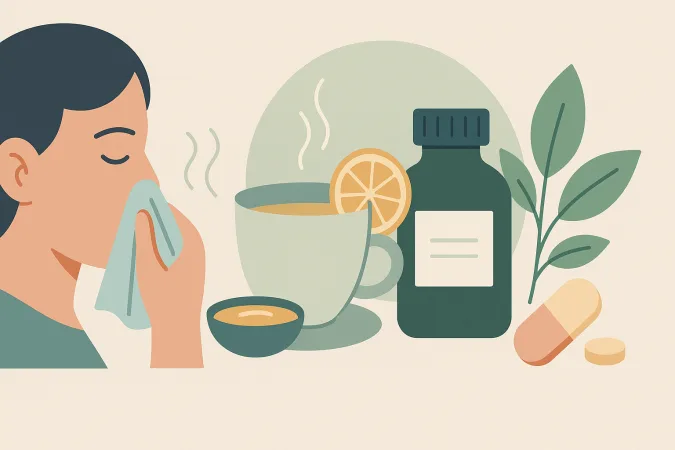
Morning routines should be effortless — open the curtains, breathe in fresh air, feel the day begin. But for those with allergies, a single breath outdoors can trigger itchy eyes, sneezing fits, and congestion, turning calm mornings into a battle with the body’s own defenses.
Allergies are among the most common chronic health issues worldwide, touching lives across all age groups. In developed countries, about 20% experience allergic rhinitis, food allergies affect 10% of adults and 8% of children, asthma impacts 1–18% of the population, and up to 2% face severe reactions like anaphylaxis. Alarmingly, these rates are steadily rising.
An allergy occurs when the immune system overreacts to a harmless substance — pollen, dust, mould, certain foods, or medicines. Mistaking these “allergens” as dangerous, the body produces antibodies, setting off reactions that can affect the skin, airways, or digestive tract. For some, it means a runny nose or itchy eyes; for others, it can escalate into life-threatening anaphylaxis. While there’s no permanent cure, understanding how allergies develop is the first step in controlling them.
Alongside medical treatment, traditional home remedies have long offered supportive relief. Warm saline rinses help clear nasal passages, steam inhalation soothes inflamed airways, and turmeric-infused milk brings natural anti-inflammatory benefits. Ayurvedic herbs like tulsi, neem, and giloy are also valued for easing respiratory discomfort and helping the immune system maintain balance — gentle allies in everyday allergy management.
Did you know?
Approximately 20–30% of India’s population suffers from at least one allergic disease—such as allergic rhinitis, asthma, or skin allergies—reflecting a widespread and growing public health concern.
From Enemy to Messenger: What Your Allergies Are Really Trying to Tell You
It’s easy to see allergies as nothing more than the body’s overreaction — an irritating enemy that ruins plans and demands constant medication. But from an Ayurvedic lens, these flare-ups are not random attacks; they’re messages. Sneezing, watery eyes, skin rashes, and congestion are the body’s way of waving a red flag, signalling that an imbalance is taking root.
Modern medicine might focus on suppressing these symptoms, but Ayurveda encourages listening to them. Each reaction points toward deeper causes — perhaps weakened immunity, accumulated toxins (ama), or aggravated doshas. In this light, allergies are less of a foe to be silenced and more of a guide, revealing what the body needs to heal and thrive.
This perspective shifts the goal from simply “managing” allergies to truly understanding and addressing their origin. Instead of chasing temporary relief, it invites a deeper inquiry — why is the body reacting this way, and how can balance be restored from within?
Everyday Triggers You Might Be Overlooking

Allergens aren’t just lurking in springtime pollen or a pet’s fur — many are woven into daily life in ways we barely notice. According to Johns Hopkins Medicine, common triggers include dust mites in bedding, mold spores in damp bathrooms, and pollen that clings to clothes and hair after time outdoors. The Mayo Clinic also points to lesser-known culprits such as fragrances in perfumes and cleaning products, air conditioning systems that recirculate allergens, and certain foods or additives that can prompt immune reactions.
Even routine habits can add to the problem: keeping windows open during high-pollen days, storing old carpets that trap dust, or snacking on processed foods containing artificial colorings or preservatives. Individually, these triggers might seem minor — but over time, they can keep your immune system on high alert, increasing the likelihood and severity of allergic flare-ups.
Curious how many typical allergen triggers apply to you?
Take a quick self-assessment with the Allergic Rhinitis Quiz developed by the American Academy of Allergy, Asthma & Immunology. It’s a great way to pinpoint possible sensitivities and gain insight into when to seek professional guidance or relief strategies.
Home Remedies That Make a Difference

Simple, accessible practices rooted in scientific evidence and tradition can help support respiratory wellness and ease allergy symptoms:
- Saline Nasal Irrigation
Uses a gentle saltwater rinse to clear allergens and reduce nasal inflammation. Supported by strong clinical evidence and widely recommended for allergic rhinitis. - Steam Inhalation
Inhaling warm steam helps loosen mucus and soothe irritated airways. While results vary, it’s commonly used for symptomatic relief.
- Peppermint or Eucalyptus Oil in Steam
Adding a few drops to steam inhalation may provide extra relief—thanks to menthol’s natural decongestant properties.
- Hydration & Indoor Air Quality
Staying well-hydrated keeps mucus thin and easier to clear. Using air purifiers with HEPA filters, keeping humidity in check, and avoiding smoking help maintain cleaner, allergy-friendly indoor air. - Warm Compress & Elevated Rest
Applying a warm compress over the face can ease sinus swelling, while sleeping with the head slightly elevated promotes drainage and better breathing.
- Antioxidant-Rich Foods & Immune-Friendly Diet
Foods like ginger, citrus fruits, green tea, onions (rich in quercetin), and turmeric contain anti-inflammatory and antioxidant compounds that can support immune balance.
- Local Honey for Throat Comfort (Limited Evidence for Allergy Relief)
While local honey can soothe throat irritation, current research suggests it’s unlikely to significantly improve pollen immunity.
Fact Box:
Did you know?
Saline nasal irrigation has “reasonably good evidence” supporting its effectiveness in relieving symptoms of seasonal allergies, as affirmed by the U.S. National Center for Complementary and Integrative Health.
This simple, natural practice helps clear allergens and reduce congestion, making it an ideal complement to daily lifestyle adjustments.
Ayurvedic Insight: Balancing the Body’s Inner Defenses

In Ayurveda, allergic reactions are not isolated misfires—they’re symptoms of deeper imbalance. A weakened agni (digestive fire) allows toxins (ama) to accumulate, which then disrupts the balance of the three doshas (Vata, Pitta, Kapha) and depletes ojas (the essence of vitality and immunity). Rather than only suppressing symptoms, Ayurveda emphasizes correcting these root causes by:
- Reigniting agni to improve digestion and prevent new ama.
- Supporting detoxification to clear existing toxins.
- Harmonizing dosha imbalances to reduce hypersensitivity.
- Rebuilding ojas to strengthen systemic resilience.
This holistic approach invites a reevaluation of how wellness—and especially allergy relief—is achieved.
Herbal Allies for Transcending Symptom Suppression
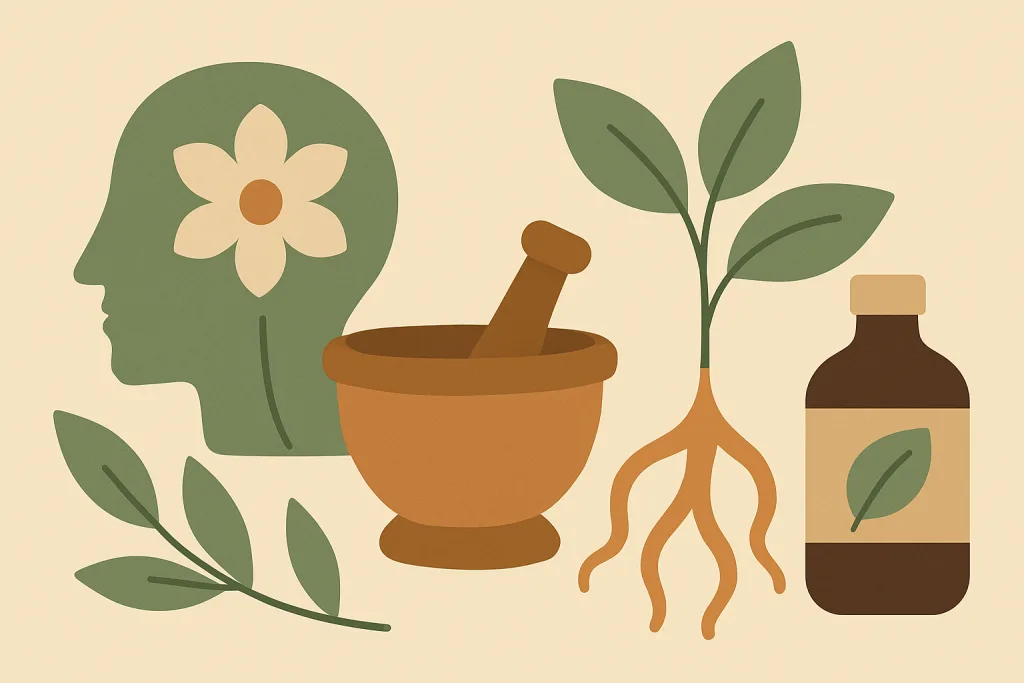
Moving beyond a one-size-fits-all tactic, Ayurveda values the synergy of certain herbs to restore balance while gently calming allergic responses. Here’s how each of the five key herbs plays its part:
1. Tulsi (Holy Basil)
- Role in Ayurveda: Balances Kapha and Vata; revered as a rejuvenator (rasayana).
- Mechanism: Contains eugenol and ursolic acid—known for anti-inflammatory and antimicrobial properties.
- How It Helps: Clears nasal congestion and reduces respiratory inflammation effectively and safely.
2. Neem
- Role in Ayurveda: Bitter and cooling; ideal for Pitta-related inflammatory issues.
- Mechanism: Contains nimbolide and azadirachtin, offering potent anti-inflammatory, antibacterial, and antifungal benefits.
- How It Helps: Renowned in Ayurveda as a natural blood purifier, Neem helps flush toxins from the bloodstream. This not only supports skin health but also soothes rashes, allergic dermatitis, and inflammatory flare-ups at their root.
3. Giloy
- Role in Ayurveda: Called Amrita (nectar of immortality); renowned for immune modulation.
- Mechanism: Boosts macrophage activity and regulates immune responses through tinosporin and cordifolioside.
- How It Helps: Enhances resilience to seasonal triggers and helps clear internal overreactivity.
4. Haldi (Turmeric)
- Role in Ayurveda: Balances all three doshas; especially effective for Pitta inflammation.
- Mechanism: Curcumin inhibits NF-κB, a key inflammatory pathway.
- How It Helps: Reduces swelling, eases tissue inflammation, and protects against oxidative damage.
5. Brahmi
- Role in Ayurveda: Calms Vata, nourishes the nervous system, and enhances cognitive resilience.
- Mechanism: Regulates stress pathways and supports neural health.
- How It Helps: Mitigates stress-induced immune hypersensitivity, a common allergy trigger.
Harnessing the Power of Five in One Potent Blend
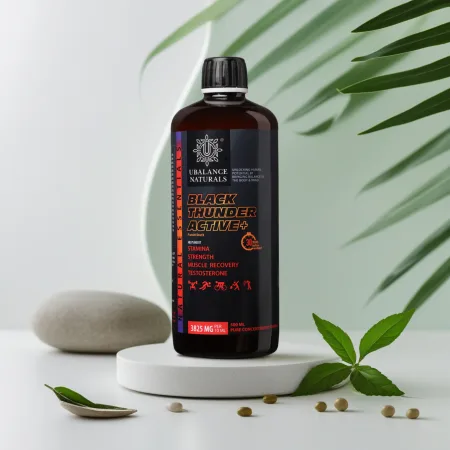
Ubalance Naturals’ Immunity and Lung Detox brings together the concentrated power of five time-honored Ayurvedic herbs—Tulsi, Neem, Giloy, Haldii, and Brahmi—into one synergistic formulation. Rooted in the brand’s philosophy of unlocking human potential by bringing balance to the body and mind, this potent blend is designed to strengthen the body’s natural defenses, clear respiratory pathways, and support long-term vitality. Each ingredient works in harmony, addressing immunity and lung health from multiple angles, ensuring not just relief from seasonal discomforts but also deeper, sustained wellness.
Fact Box
Did you know?
A 2024 comprehensive review of respiratory allergies in children highlights that 35–38% of upper respiratory tract infections in young patients are allergy-related. Ayurveda draws parallels between these presentations and classical conditions like Prātishyaya and Śvāsa, linking them to concepts such as ama (toxins), asatmyā (inappropriate substances), and viruddha āhāra (incompatible diet)—all recognized as contributors to allergic tendencies in Ayurvedic texts.
To truly benefit from this Ayurvedic blend, how you take it matters just as much as what’s inside. Following the correct dosage helps your body absorb the herbs effectively and ensures you experience their full potential.
Directions for Use
For adults, take 10–15 ml twice daily at least 30 minutes before or after meals. For children, administer 5–10 ml twice daily. Shake well before use and store in a cool, dry place away from direct sunlight. Consume within one month after opening the lid. Avoid purchase if the bottle appears puffed or has leaked. As this is a natural product, slight variations in color, taste, or aroma may occur.
If experiencing flu-like symptoms, the dosage can be increased to 3–4 times a day, or as directed by a physician.
Disclaimer
Not suitable for pregnant women. Those with medical conditions, breastfeeding mothers, or children should consult a physician before use. This product is not intended to diagnose, treat, or cure any disease. Results may vary depending on lifestyle and health conditions.
Strong immunity isn’t built overnight — it’s nurtured through consistent care and the right support. With its unique synergy of five powerful herbs, Ubalance Naturals’ Immunity and Lung Detox helps keep your body resilient, energised, and ready to face everyday challenges.
Support your body’s natural defences with Ubalance Naturals’ 5-in-1 Herbal Immunity Blend — order today and take the first step towards stronger immunity.