From Zero to Hero: The Ultimate Guide to Stamina and Endurance

Ever wondered why some people seem to power through their entire day, effortlessly juggling work, family, and workouts, while others run out of steam by midday? The answer lies in stamina and endurance, the twin forces driving physical and mental performance.
Whether it’s climbing a flight of stairs without gasping for air, keeping pace with energetic kids, or staying sharp during long work hours, stamina influences almost every aspect of daily life. Beyond fitness, it plays a crucial role in mental resilience, helping individuals endure demanding tasks, stay focused, and recover from stress effectively.
In today’s fast-paced world, lengthy workouts and strict meal plans aren’t always practical. Instead, people seek efficient, science-backed methods to build stamina without a complete lifestyle overhaul.
This guide cuts through the noise, providing actionable tips, effective workouts, and natural strategies to enhance endurance, whether you’re just starting or looking to push your limits.
Understanding Stamina and Endurance
Stamina and endurance are different but related parts of physical and mental performance.
Stamina is the ability to sustain effort for long periods without fatigue. It combines cardiovascular endurance (efficient oxygen supply) and muscular endurance (sustained muscle activity). This helps in workouts, physically demanding tasks, and even mental focus during long study sessions.
Endurance is performance for extended durations. Endurance can be aerobic endurance, wherein the body has to move at low or moderate intensity levels, like running for a long time; it is anaerobic endurance, wherein one is required to maintain short sprints of high-intensity activities like sprinting or weightlifting.
In a nutshell, stamina resists fatigue, but endurance decides the duration for which an activity can be maintained. For instance:
- A marathon runner requires endurance for pacing long distances.
- A parent or student requires stamina to maintain energy through challenging tasks.
- Athletes in football and other sports combine stamina and endurance to remain competitive in a match.
Benefits of Building Stamina and Endurance

- Improved heart health: Regular stamina-building exercises, including brisk walking, fortify the heart and lessen the risks of cardiovascular diseases.
- Enhanced mental acuity: Endurance activities improve the flow of oxygen to the brain, therefore augmenting memory and attention.
- Higher productivity: More durability is associated with better productivity at work and less fatigue.
- Preventive chronic fatigue: The stamina training enhances the mitochondria functions in combating fatigue at a cellular level.
- Better stress management: When stamina is at its peak, the body is highly resistant to stress. Increased endurance develops cardiovascular efficiency, regulates cortisol levels, and improves oxygen flow to the brain. All of these create a calmer and more well-balanced response to stress.
Physiological Foundations of Stamina
How the Body Produces Energy
In our bodies, there are two kinds of energy-generating systems that fuel different activities within the body to help generate stamina and endurance. These are :
Aerobic Respiration
It is an oxygen-dependent energy system that facilitates low- to moderate-level activities like jogging, cycling, and swimming. This process effectively breaks down carbohydrates and fats to yield ATP, the body’s most important source of energy.
Aerobic respiration helps one last long for sustained physical effort over a prolonged time, which is crucial for endurance training. Most runners or cyclists doing marathon distances use this system of energy production.
Anaerobic Respiration
Unlike aerobic respiration, anaerobic energy production doesn’t rely on oxygen. Instead, it breaks down stored glycogen to fuel short bursts of high-intensity exercise. However, this process produces lactic acid, which leads to muscle fatigue. Proper training and hydration help the body clear lactic acid faster, improving high-intensity performance.
Generally, both energy systems go hand in hand depending on the duration and intensity of an activity, contributing to overall stamina, strength, and endurance.
Important Biological Variables
- Heart health: The health of one’s heart determines the amount of oxygenated blood it pumps. Swimming and other forms of aerobic exercise enhance cardiovascular health by increasing stroke volume and reducing the heart’s resting rate.
- Lung capacity: A larger lung capacity allows for more oxygen to be inhaled and absorbed in the bloodstream, which results in higher oxygen levels when breathing normally. Larger lung capacity contributes to greater stamina as the body can take in more oxygen for sustained physical activities. Swimming or deep breathing exercises strengthen the respiratory muscles.
- Muscular efficiency: Endurance training increases mitochondria in the muscles, increasing energy production efficiency and reducing fatigue levels.
- VO₂ Max and lactic acid threshold: VO₂ max refers to the highest rate at which the heart, lungs, and muscles can use oxygen efficiently during intense activity. It’s a key indicator of aerobic fitness and overall endurance capacity.
- The higher the VO₂ max, the greater one’s endurance and stamina as more oxygen is being delivered to the working muscles for energy production.
- The lactic threshold is the limit when lactate builds up in the muscles faster than it can be cleared, leading to fatigue. A higher threshold allows longer performance at high intensity before exhaustion sets in.
These can be improved through interval and endurance training, enhancing both aerobic capacity and stamina.
Factors that Influence Stamina
- Age: Regular exercise slows age-related stamina decline.
- Genetics: Some may naturally excel in endurance due to genetic advantages.
- Lifestyle: An active lifestyle and good nutrition improve stamina considerably.
Actionable Strategies for Building Stamina and Endurance
Cardio and Aerobic Workouts
Cardio workouts help build stamina. The most excellent aerobic exercises to include in any workout routine would be:
- Running: This exercise is one of the oldest classic stamina-building workouts.
- Swimming: A full-body workout that helps enhance muscular strength in addition to increased respiratory efficiency.
- Cycling: Ideal for the lower body and has low impact on the joints.
- Hiking: An excellent aerobic workout that also requires strength to manage the inclines.
Consider interval training as an efficient way to improve stamina. A beginner runner could alternate between jogging for two minutes and walking for one minute within a 20-minute session. Over weeks, one can continue to increase the jogging intervals to achieve improved stamina and endurance without over-exertion.
Strength Training for Stamina
While all strength training builds power, certain exercises specifically boost muscle endurance:
- Planks: Strengthen the core and improve stability. This is indeed necessary for stamina in all physical activities.
- Squats: Lower body endurance, which can be useful in running, hiking, and many other aerobic exercises.
- Burpees: Explosive, full-body movement combining strength with aerobic benefits.
- Kettlebell Swings: Combines power and rhythm, making them great for building strength while also improving aerobic fitness.
Strength and aerobic exercise together significantly augment endurance. In a study published in the journal Sports Medicine, adding two weekly strength-training sessions to an aerobic program improved athletes’ muscular efficiency and delayed the onset of fatigue.
Incorporating Variety and Variation
Cross-Training
Combining different activities will not only avoid boredom but also lead to sustained build-up of stamina and endurance. Some examples are:
- Yoga and Pilates: Enhance flexibility, core strength, and breathing techniques in addition to aerobic and strength training.
- Swimming and Cycling: These activities are low-impact, yet they allow the body stamina
Benefits: A cross-training experience minimizes the risk of plateaus for a variety of reasons. Most importantly, for a runner whose upper body rarely sees the load, adding a few days of swimming weekly can offer upper-body endurance and improve lung capability while managing lower-body fatigue.
HIIT for Fast Gains
High-Intensity Interval Training consists of short and intense exercise interludes with rest periods. This is extremely effective in building stamina in relatively less time.
Workout
- Run for 30 seconds, then walk for a minute. Repeat for 8 to 10 rounds.
- Follow up 20 seconds of burpees with 40 seconds of rest. Keep repeating this for the next 10 minutes.
Efficiency
- HIIT workouts can provide significant gains in stamina in as little as 20 minutes per session. A study found that six weeks of HIIT improved participants’ VO₂ max and muscular endurance more efficiently than traditional steady-state cardio.
The Significant Role of Nutrition and Essential Micronutrients

Nutrition can never be overlooked in building stamina. The right nutrition means getting the right fuel into one’s body for essential activities, rapid recovery, and increased endurance. Balanced nutrition, hydration, and supplementation ensure steady and sustained performance.
Essential Nutrients for Stamina
Complex Carbohydrates: Long-Lasting Energy
Long periods of physical and mental exercises require complex carbs to serve as the main energy source. Complex carbs break down slowly to ensure a steady supply of glucose as the source of energy production. Oats are a good source of fiber, sweet potatoes are rich in vitamins and minerals, brown rice, quinoa, and wholewheat bread provide long chain energy release.
Proteins: Energy, Muscle Repair, and Recovery
Proteins: They are a major source of energy when carbohydrates and fats are not available. They perform several important functions in the body, i.e., they help in muscle repair and fortification for long-term use, help maintain bone density and muscle mass, and help maintain body fluid and pH balance. These are essential for sustained stamina. Some sources of good protein are:
- Lean meats: Chicken, salmon, and turkey are some of the excellent sources of high-quality protein.
- Plant-based protein sources: These include lentils, chickpeas, tofu, and tempeh. Good recovery snack from plain milk to Greek yogurt or cottage cheese.
Healthy Fats: Long-Term Energy
- Fats provide extended periods of energy, cellular longevity, and endurance. Avocados are loaded with heart-healthy monounsaturated fats and work perfectly in salads, on toast, in dips, dressings, smoothies, or simply as a wholesome snack.
- Nuts such as almonds, walnuts, and seeds like chia seeds, and flaxseeds are good on-the-go sources of energy.
- Olive oil is a versatile and healthy fat to cook with or drizzle over food.
Vitamins and Minerals: Micronutrient Power
- Iron: Improves the oxygen-carrying capacity of blood. This is the basis for endurance and stamina. Food sources: Spinach, red meat, fortified cereals.
- Calcium & Vitamin D: Support and build bone density and muscular strength. Food sources: Dairy, leafy greens, and fortified products.
- Magnesium: It helps relax the muscles, promotes recovery, and increases energy production. Food sources: Nuts, seeds, whole grains.
- Zinc: Supports muscle repair and protein synthesis. Common food sources include legumes, shellfish, and eggs.
- B Vitamins (B6, B12, Folate): These metabolize energy and are essential for red blood cell formation. Food sources include meat, dairy, whole grains, and legumes.
- Potassium & Sodium: Assist in maintaining fluid balance in the body and support muscle contraction to prevent cramping. Food sources include bananas, avocados, coconut water, and leafy greens. These micronutrients are crucial in developing strength, enhancing endurance, and achieving optimal recovery at peak performance.
The Power of Ayurveda: 6 Super Herbs to Boost Strength and Stamina

In addition to traditional nutrition, natural herbs have been used for centuries to enhance stamina and endurance. Modern research supports the effectiveness of Ayurvedic herbs in boosting physical and mental energy without harmful side effects. These herbs help regulate oxygen flow, promote muscle recovery, and support cellular energy production.
Ashwagandha (Withania Somnifera)
Micronutrients: Iron, Carbohydrates, Withaferin-A
Benefits:
Known for its adaptogenic properties, Ashwagandha helps reduce stress-induced fatigue, increase oxygen intake, and enhance energy levels naturally. Studies suggest that it can significantly improve athletic performance by increasing VO₂ max, the body’s oxygen utilization capacity.
Sudha Shilajit (Asphaltum)
Micronutrients: Fulvic Acid, Iron, Zinc, and Copper
Benefits:
Shilajit supports ATP production, the body’s main energy currency, helping sustain endurance for longer durations and reducing fatigue at a cellular level.
Kaunch Beej Ext
Micronutrients: Calcium, Magnesium, Vitamin C, B-complex vitamins
Benefits:
Kaunch Beej aids muscle recovery, strengthens bones, and elevates dopamine levels, promoting motivation and sustained endurance. It also helps enhance the body’s ability to enhance the level of testosterone naturally.
Gokshura (Tribulus Terrestris)
Micronutrients: Saponins, Magnesium, Zinc
Benefits:
Gokshura enhances muscle recovery, hydration, and nitric oxide production, improving oxygen flow and endurance capacity. It also helps balance hormones to maintain stamina and endurance equilibrium.
Safed Musli (Chlorophytum Borivilianum)
Micronutrients: Alkaloids, Glycosides, Calcium
Benefits:
Safed Musli supports glycogen storage, protein synthesis, and testosterone regulation, providing long-lasting energy and muscle endurance.
Ginseng Ext (Panax ginseng)
Micronutrients: Ginsenosides, amino acids and peptides, vitamins (B1, B2, B12, and C)
Benefits:
A staple in traditional medicine, ginseng combats fatigue and enhances physical activity by reducing oxidative damage and increasing cellular energy production. Additionally, it boosts vitality, improves focus and memory, and aids in managing back and joint pain.
Black Thunder Active+: 5 Benefits in One Bottle
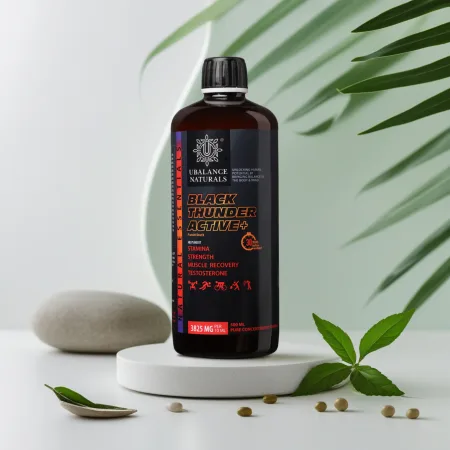
For those looking for an herbal performance enhancer, formulations like Black Thunder Active+ (BTA) combine the power of 20 natural herbs to support endurance, muscle recovery, and oxygen efficiency. Unlike artificial stimulants, this blend works holistically to enhance energy metabolism, making it a great option for those seeking natural stamina-boosting solutions.
- Increases protein synthesis: Promotes repair and growth in muscles for lasting performance.
- Increases ATP production: Stimulates cell-based energy formation for longer exercises.
- Muscle recovery: It alleviates pain and accelerates recovery after a workout.
- Hydration support: It helps to regulate the electrolytes that prevent muscular cramps and dehydration.
- Increases endurance capacity: Regulates oxygen levels and aerobic respiration.
- Manage oxidative stress: Rich in anti-oxidants and anti-inflammatories, it helps the body shield from damage by free radicals and manage joint pains
Lifestyle Habits to Boost Stamina Naturally

Building and developing stamina cannot just depend on exercise and diet; your habits at day-to-day work significantly affect your energy levels and endurance. Practicing healthy lifestyle habits will naturally boost stamina, promote overall well-being, and help sustain physical and mental fitness.
Sleep and Recovery
Stamina is improved by proper sleep and rest since it enables the body to recover and prepare for the challenges of the following day. During sleep, the body carries out essential functions like hormone balance, muscle repair, and memory processing- all of which play a role in maintaining stamina.
Aim for 7–9 hours of sleep each night. Poor sleep can lead to lack of focus, drowsiness, and impaired performance.
To prevent overtraining and allow muscles to recover and rebuild, having rest days between intense workouts is essential. Active recovery, such as light walking or yoga, can help in the above process.
Stress Management
Chronic stress lowers your physical strength and mental performance, making you feel exhausted and less productive. Stress management exercises can help refill your energy supplies and enhance endurance.
Practicing mindfulness:
- Practices like mindful walking, meditation, and deep breathing help enhance clarity of thought and ease mental stress.
- For example, use one of the meditation apps like Headspace or Calm for at least 10 minutes every day.
- Yoga reduces stress but also helps improve flexibility, strength, and endurance. Some poses, like Warrior II or Downward Dog, work on several groups of muscles and relax the body.
Active Living
Staying active aprt from formal workouts can gradually enhance stamina. Small daily habits can make a big difference in building long-term endurance.
To remain active:
- Use the stairs: Opt for stairs if possible, rather than using elevators or escalators.
- Take walking breaks: Walk for 5-10 minutes every hour to keep away from sleeping at work or studying.
- Desk exercises: Perform stretches or seated leg raises while working to keep the muscles active.
- Commute smart: Decide to either bike or walk short distances and avoid going by car.
Addressing Common Misconceptions
Myth 1: There is a quick fix for enhancing stamina
Building stamina takes consistent training, there’s no overnight fix. Even beginners will see improvements in weeks with structured interval training and proper nutrition. Research confirms that endurance builds gradually, not through shortcuts.
Myth 2: Strength training doesn’t help with stamina
Strength training helps build stamina by making muscles last longer and work better. Exercises like squats and deadlifts enhance the body’s ability to maintain physical activity. Research has proven that adding strength to cardio maximizes endurance gains.
Myth 3: Recovery isn’t important
Skipping recovery will lead to overtraining, injuries, and burnout. Rest days and sleep are important for repairing muscles and achieving performance. For example, an athlete who places recovery first shows better long-term stamina than those who overtrain.
Myth 4: Protein supplementation alone helps in building muscles
Protein supplements aid muscle growth, but strength training, balanced nutrition, and proper recovery are essential. Without exercise, excess protein isn’t utilized effectively. Carbs, healthy fats, and micronutrients support muscle function, while rest and sleep enable repair and growth. Protein alone won’t build muscle; training and recovery matter.
Conclusion
Building stamina is a journey of consistent workouts, balanced nutrition, mindful recovery, and natural support.
Take it a step further with Ubalance Naturals’ Black Thunder Active+, a powerful blend of 20 Ayurvedic herbs designed to fuel endurance, speed up recovery, and sustain energy without artificial stimulants.
There’s no “quick fix,” but with commitment, the rewards – better health, increased productivity, and a stronger mind-body connection are well worth it. Begin today, and unlock your full endurance potential.