
Enhancing Gut Health Naturally: Top Supplements for Optimal Digestion
Have you ever wondered why our digestion affects our energy and mood? Research shows that over 80% of our immune system resides in our gut, making it the cornerstone of overall health. Our gut health plays a powerful role—not just in breaking down food, but in defending our immune system, supporting emotional balance, and fueling overall energy. When it’s off, our whole body can feel the impact.
This article explores how natural supplements and lifestyle practices can optimize gut health, transforming our physical and mental well-being while empowering us to take control of our wellness.
The Importance of Gut Health

Our gut is a vibrant ecosystem of trillions of microorganisms essential to our health. Over trillions of microbes living in our gut—known as the gut microbiota—play an essential role in everything from digestion and immune defense to mood and brain function. More and more studies are connecting these tiny organisms to a wide range of health issues, from gut troubles to chronic conditions like diabetes and heart disease.
A research paper by the Caltech University clearly states that over 90% of serotonin, the “happiness hormone,” is produced in our gut. A healthy gut fosters emotional stability, while imbalances may lead to anxiety or depression.
Dysbiosis, an imbalance in gut bacteria can cause chronic inflammation, leading to autoimmune diseases, mental health challenges such as anxiety and depression, and even metabolic disorders. By nurturing our gut, we lay a strong foundation for overall health.
What is Our Gut Telling Us?
An imbalanced gut often shows up with clear warning signs, which can be grouped into three key categories:
Digestive Symptoms:
Bloating, gas, constipation, and diarrhea are often the body’s first clues that our gut bacteria are out of balance—clear, early signals that our digestive system needs support.
Example: If one feels bloated after meals or experiences frequent heartburn, the gut might be struggling to process certain foods efficiently.
Cognitive Symptoms:
Brain fog, poor concentration and fatigue might stem from gut-related nutrient deficiencies. When the gut is out of balance, it can impair the production of neurotransmitters like serotonin, which influences mood and mental clarity.
Example: Feeling sluggish and unable to concentrate despite adequate sleep can often be traced back to gut health issues.
Immune-Related Symptoms:
Recurring infections, allergies, or autoimmune conditions often start with poor gut health. Our gut is integral to our immune defense and an imbalance can make us more susceptible to illness.
Listening to these signals and identifying patterns can guide one to address root causes effectively. Journaling one’s symptoms and dietary habits can also help pinpoint triggers and track improvements as one makes changes.
How Gut Health Affects Physical and Mental Health
Serotonin Production
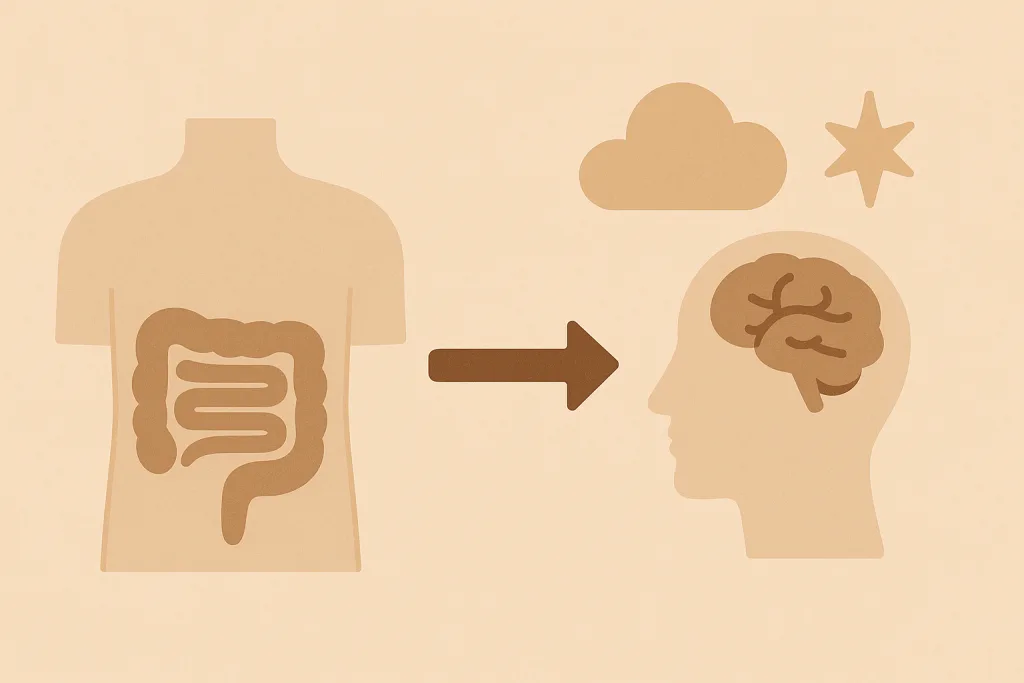
Over 80% of the body’s serotonin is produced in the gut, a neurotransmitter that’s crucial for mood, focus, and emotional balance. A balanced gut promotes stable emotional health, while disruptions in gut health can contribute to anxiety, depression, and mood swings.
Immune System Function
Approximately 70% of immune cells reside in the gut, playing a critical role in defending against illness. A healthy gut helps our immune system stay strong and inflammation stay low. But when the gut is out of balance, it can leave one more vulnerable to illness and chronic issues..
Digestive Efficiency
Optimal digestion and nutrient absorption rely on a healthy gut. Proper gut function ensures the body receives essential nutrients and energy. An unhealthy gut may lead to bloating, indigestion, and nutrient deficiencies, which can impact overall vitality.
Weight Management
The gut microbiota significantly influences metabolism and fat storage. A healthy, balanced gut is vital for regulating metabolism and helping to maintain a healthy weight. While an imbalanced gut can disrupt these processes, leading to weight gain and difficulties in keeping weight off.
Brain-Gut Axis
The gut and brain communicate via the brain-gut axis, directly impacting focus, stress levels, and cognitive function. A healthy gut fosters clear communication, improving mental performance, while disruptions may result in brain fog and irritability.
Gut health is a central pillar of physical and mental well-being, influencing everything from emotional stability to immune resilience and energy levels.
Root Causes of Gut Imbalance

The Gut-Mind Connection: How Thoughts Impact Digestion
Stress affects more than just the mind—it can also disrupt gut health. Chronic stress can trigger inflammation, potentially leading to ‘leaky gut syndrome,’ where toxins and food particles leak into the bloodstream. This process can ignite immune responses, worsening inflammation, allergies, and overall gut imbalance.
Supportive practices like yoga, mindfulness, and daily meditation can help calm the mind and protect the gut. Adaptogenic herbs like Ashwagandha are also effective in managing cortisol levels and maintaining gut health.
We Are What We Eat: Nutrition’s Role in Gut Health
The quality, timing, and portion of food intake have a profound impact on gut balance. Diets high in processed foods, refined sugar, or low in fiber nourish harmful bacteria, while a lack of variety in meals diminishes beneficial gut microbes. Eating irregularly or consuming oversized portions further stresses the digestive system.
Replacing sugary snacks with fiber-rich fruits, incorporating diverse vegetables, whole grains, and fermented foods like yogurt, and eating smaller, balanced meals at regular intervals can significantly improve gut health.
When Organs Speak: The Liver, Kidney, and Gut Connection
The liver and kidneys are essential for detoxifying the body, and their health has a direct impact on gut function. Poor performance of these organs allows toxins to accumulate, which disrupts digestion and gut microbiota balance. Maintaining liver and kidney health is vital for achieving gut harmony.
Hydration, limiting alcohol intake, and consuming foods like leafy greens, beetroot, and cranberries help support liver and kidney function and promote overall digestive health.
Medications and Gut Disruption: Managing the Impact
Antibiotics and antacids, though often necessary, can disrupt gut balance by depleting beneficial bacteria or essential nutrients like vitamin B12. This leaves the gut vulnerable to imbalance and reduced efficiency.
Counteracting these effects involves incorporating probiotics or prebiotic-rich foods like garlic, onions, or bananas, which encourage the growth of healthy gut bacteria. Consulting healthcare professionals can ensure medications are managed thoughtfully while maintaining gut health.
Understanding and addressing these root causes helps pave the way for a balanced, thriving gut and better overall well-being.
Gut Health in Ayurveda
Ayurveda places gut health at the core of overall well-being, centring around Agni (digestive fire). A strong Agni supports efficient digestion, energy, and immunity, while a weak Agni can lead to toxin buildup (Ama) and contribute to illness.
Key Ayurvedic Practices for Gut Health

Balance Agni
Strengthening Agni is vital for digestion and vitality. Weak Agni results in bloating, fatigue, and poor nutrient absorption.
Eat According to Dosha
Ayurveda highlights the importance of tailoring meals to one’s dosha for balance and gut health. Vata benefits from warm, grounding foods like soups and stews. Pitta benefits from cooling, hydrating foods like salads and cucumbers to maintain balance. Kapha is best supported by light, spicy meals like steamed vegetables and lentils.
Mindful Meal Timing and Practices
Ayurveda advises having the largest meal at midday when Agni is strongest for optimal digestion and nutrient absorption. Avoid late-night eating to prevent Ama buildup. Practising mindful eating which is free from distractions, chewing thoroughly, and incorporating pranayama or yoga that enhances digestion and promotes balance and vitality.
Herbal Support
Ayurvedic herbs offer powerful digestive support. Triphala detoxifies and enhances digestion, while Amla strengthens immunity and repairs the gut. Spices like cumin, coriander, and fennel help reduce bloating and support digestion. Including them in the diet can promote a balanced, healthy gut.
Top Herbs for Gut Health & Optimal Digestion

When it comes to improving gut health, nature offers an array of powerful herbs to support digestion and maintain a healthy gut microbiome. Here’s a list of few of the most effective herbs and their key functions:
Triphala – A blend of Amalaki, Bibhitaki, and Haritaki, is known for its gentle laxative effects, supporting bowel regularity, detoxification, and improved nutrient absorption.
Ginger – With its anti-inflammatory and carminative properties, ginger helps calm the digestive system, reduce bloating, and enhance gastric motility.
Fennel – A natural remedy for bloating and indigestion, fennel seeds help relax gastrointestinal muscles and support smooth digestion.
Peppermint – With its cooling and antispasmodic effects, peppermint is ideal for relieving IBS symptoms, reducing stomach cramps, and improving gut motility.
Turmeric – Packed with curcumin, turmeric supports gut integrity, reduces inflammation, and helps balance the gut microbiota.
Ajwain (Carom Seeds) – A digestive powerhouse, ajwain helps combat indigestion, reduce bloating, and improve gut function by enhancing digestive enzymes.
At Ubalance Naturals, we believe that a healthy gut is the key to achieving overall well-being. Our 100% natural,plant based, chemical-free supplements are crafted to restore balance, boost digestion, and enhance vitality.
The Liver & Kidney Revitalizer detoxifies, reduces bloating, and optimizes nutrient absorption. The Immunity & Lung Detox strengthens respiratory health while balancing gut microbiota. For liver support, Liver Care Advance aids toxin elimination, eases digestion, and helps manage fatty liver. The 7 Chakras harmonize energy and support a thriving gut. Even Diabetes Care improves metabolism and gut health for balanced blood sugar levels. Every Ubalance Naturals formulation begins with the gut, ensuring our body thrives from within.
Key Benefits of Natural Supplements
Combining natural plant based supplements with a balanced diet creates a powerful synergy for optimal gut health. These supplements not only improve digestion but also restore essential micronutrients, vitamins, and minerals that are vital for maintaining a healthy gut microbiome.
Improved Digestion
Natural supplements help improve digestion, reduce bloating, and enhance nutrient absorption. When used regularly, they promote smooth, consistent bowel movements.
Enhanced Energy
Supplements like Amla, rich in Vitamin C, support adrenal function and immune health, boosting energy levels and overall vitality.
Stronger Immunity
A balanced gut microbiome fortified with essential nutrients strengthens the immune system, reducing susceptibility to infections, allergies, and chronic inflammation.
Mental Clarity
Gut health directly influences neurotransmitter production. By restoring balance, supplements improve mood, enhance focus, and sharpen cognitive function.
Essential Nutrient Balance
Natural supplements replenish key micronutrients like zinc, magnesium, and B vitamins, which are crucial for gut lining integrity, enzyme function, and overall digestive health.
The Path to Gut Health Starts with One Small Step
Gut health is the foundation of vitality, and small, consistent steps can lead to lasting, transformative changes. Replacing processed foods with nutrient-rich alternatives, embracing Ayurvedic principles, or incorporating targeted supplements can restore balance and energy. Start by assessing current gut health,where symptoms like bloating, fatigue, or brain fog may signal an imbalance.
Adopting small actionable changes today, whether adding high-fibre food to one’s diet, starting a natural supplement, or practising mindfulness can set the stage for improved well-being. The journey to better gut health begins now. When it comes to health and wellbeing, the smallest step can make the biggest difference.